Uber filed a deceptive ballot initiative designed to weaken the rights of people injured in accidents. This is part of Uber’s broader effort to put corporate profits ahead of passenger safety and victim protection.
In response, the Alliance Against Corporate Abuse was formed. We are fighting back by forcefully opposing Uber’s attempt to evade accountability and by filing countermeasures of our own. Together, we can stand up to powerful corporations and protect justice for all Californians.



We are against Uber’s initiative because it would change the rules for people injured in automobile accidents. The measure would significantly limit how much accident victims can recover for medical expenses and make it harder for them to obtain medical care and legal representation. This is not limited to Uber or rideshare accidents, it applies broadly to all motor vehicle accident cases, affecting everyday Californians, including passengers, drivers, pedestrians, and anyone who may be harmed in a car or truck crash.



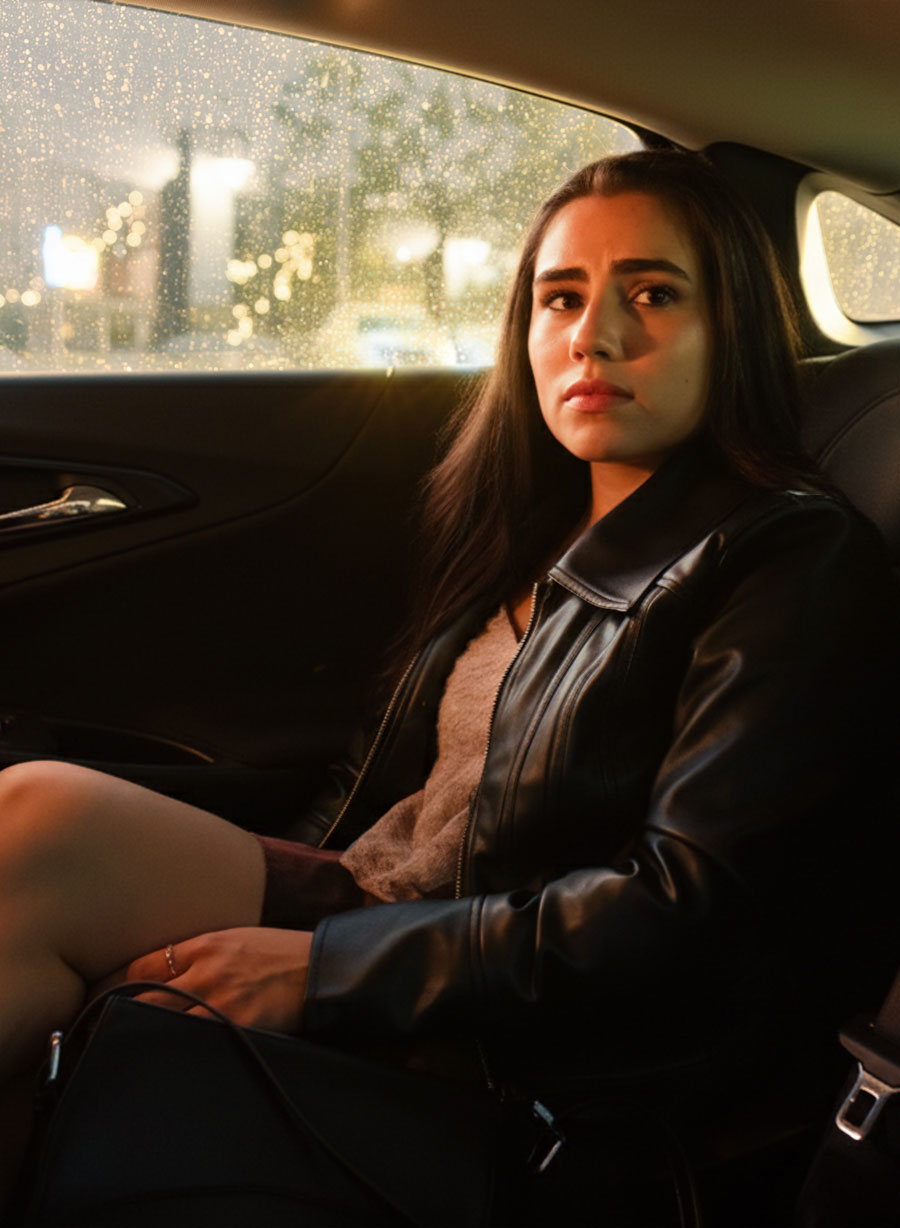
This initiative will classify rideshare companies as “common carriers” under California law, requiring them to exercise a heightened standard of care for their passengers. The act would also strengthen protections for riders and drivers by requiring rigorous background checks, including fingerprinting, and public reporting of sexual misconduct incidents so riders and drivers are aware of risks in Uber vehicles.

This measure would create a constitutional amendment that directly counters Uber’s measure by protecting Californians’ right to hire an attorney of their choice. If passed, this initiative would override Uber’s initiative and ensure existing safeguards against excessive or unlawful fees remain in place.

We are a diverse coalition of concerned Californians, including leading consumer advocacy groups from across the state, who are mobilizing to defeat Uber’s dangerous attempts to gut the legal rights of consumers. Our goal is to strengthen safety protections and safeguard access to legal representation, while ensuring Uber does not rig the system to evade accountability.
"*" indicates required fields
"This is do-or-die for us. Medical providers took an oath to protect their patients, and they are not going to back down. This is a major threat to the way that medical providers are able to provide care and be paid for that care in California."
"Voters need to read what they’re signing because what they are being asked to sign away is their right to full medical recovery in accidents and the right to contract with an attorney of their choice on a contingency fee basis. Uber should be ashamed of itself for circulating a ballot measure that takes away injured consumers’ right to recovery and representation in all auto accident cases during the giving season. Scrooge at least felt shame. Uber’s holiday gift is a lump of coal in the form of a ballot petition that strips injured people of their rights. Uber’s coal-black capitalism is using its vast money and power to trick people out of their rights to representation and medical expenses when they get into an accident."
"But a blunt cap — like the draconian, across-the-board limit Uber is proposing in California — won’t fix any problems, it will only create more."
Nora Freeman Engstrom, Ernest W. McFarland Professor of Law and Co-Director of the Deborah L. Rhode Center on the Legal Profession at Stanford University
Brianne Holland-Stergar, Visiting Assistant Professor of Law at the University of Montana School of Law and a former Rhode Center Fellow.
"These provisions work in concert to chill legitimate claims and make it virtually impossible for many accident victims to obtain counsel. The real effect of the measure is not reform — it is suppression of valid lawsuits and the transfer of financial burdens onto Medi-Cal and taxpayer-funded systems, as the Legislative Analyst’s Office fiscal impact summary makes clear."
"Uber claims these restrictions will 'protect automobile accident victims from attorney self-dealing.' In reality, Uber’s ballot initiative won’t protect victims, it will muzzle them."
Nora Freeman Engstrom, Ernest W. McFarland Professor of Law and Co-Director of the Deborah L. Rhode Center on the Legal Profession at Stanford University
Brianne Holland-Stergar, Visiting Assistant Professor of Law at the University of Montana School of Law and a former Rhode Center Fellow.
"Today, more than ever, we should all be concerned about sexual assault. For years women have come to us looking for answers, accountability, and safety after the worst happened to them in an Uber...We should all be on the same side of safety."
"These limits are so severe that in all likelihood, medical providers will not be able to care for patients after they’re injured in an automobile accident. Realistically, if you’re telling providers they can only be paid about 10% of the cost, they’re not going to be able to provide care."
"Passengers cannot trust Uber to adequately screen its drivers...This company has proven time and again it cannot be trusted. Uber puts its profits above the safety of its passengers and it doesn’t deserve our business."
"This is an attempt by Uber to get out of paying for patient care...This will affect you, me, anyone who’s ever injured in an auto accident in California"
Pamela Lopez, PPCPAC
"Uber knows that fee caps prevent injured individuals from bringing legitimate claims before a court. It’s counting on it."
Nora Freeman Engstrom, Ernest W. McFarland Professor of Law and Co-Director of the Deborah L. Rhode Center on the Legal Profession at Stanford University
Brianne Holland-Stergar, Visiting Assistant Professor of Law at the University of Montana School of Law and a former Rhode Center Fellow.
"Uber is trying once again to misuse the democratic process and to disclaim legal responsibility — this time, not just towards their drivers but also towards consumers."
Veena Dubal, UC Irvine Law Professor